

June 30, 2026
When the Skies Turn Violent: Is Your Roof Ready?
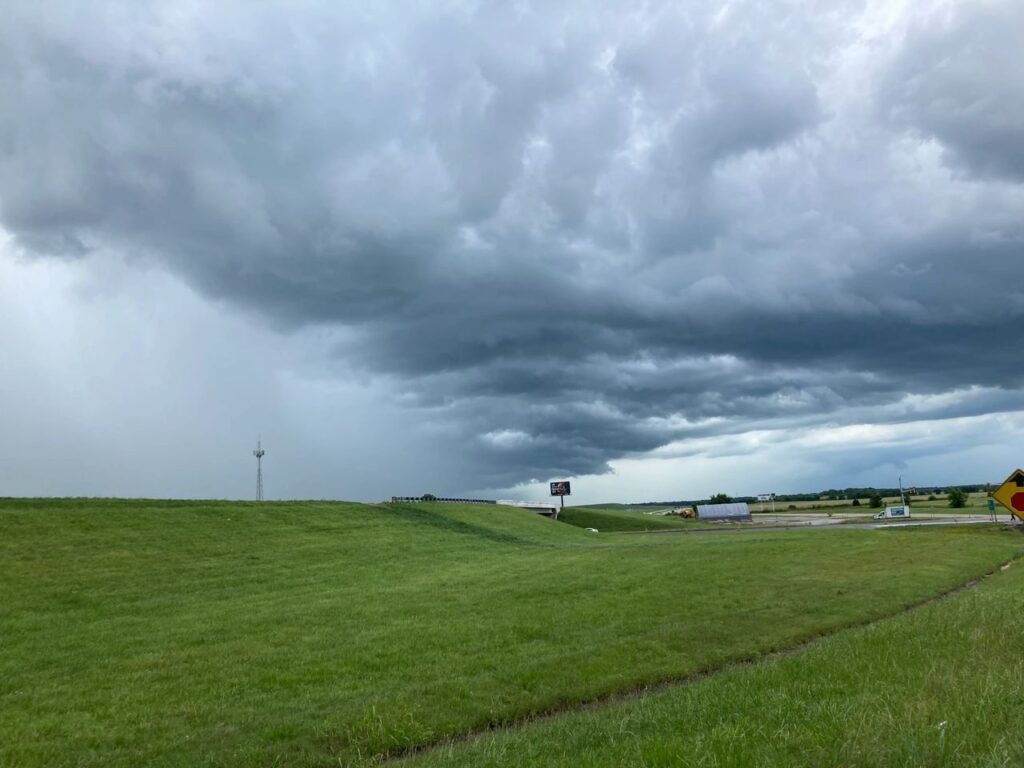
Every year, severe weather sweeps across the Midwest and Great Plains, bringing with it a hidden danger that can compromise one of your home’s most critical defenses—your roof. Hailstorms, common in states like Oklahoma and throughout the Central U.S., don’t just leave cosmetic damage; they can crack shingles, weaken underlayment, and lead to costly interior leaks that go unnoticed for months. Homeowners in hail-prone regions face more than just temporary discomfort—they risk long-term structural damage and steep repair bills if their roofing system isn’t built to withstand impact.
That’s where hail-resistant roofing comes in. Engineered to absorb and resist high-velocity impacts, these advanced materials are rated using standards like UL 2218, which measures impact resistance on a Class 2 to Class 4 scale—Class 4 being the highest level of hail protection available. Choosing a roof that meets these standards isn’t just about durability; it’s a smart financial decision that may help lower insurance premiums and increase property value.
In this guide, you’ll learn how to identify hail-resistant materials, understand industry ratings, and make informed choices that protect your home and investment—no matter the forecast.
How Hail Forms and Why It Damages Roofs
Understanding how hail develops and what makes it a threat to roofing materials is essential when selecting a hail-resistant roof. Hail forms within strong thunderstorm updrafts, where raindrops are lifted into extremely cold areas of the atmosphere, freeze, and accumulate layers of ice. The size and density of hailstones depend on storm intensity, wind patterns, and atmospheric conditions—common factors during severe weather in regions such as northern Oklahoma and surrounding plains areas.
When hail falls, its impact energy increases with size, altitude, and wind speed. Even hail as small as one inch in diameter can compromise traditional asphalt shingles, causing granule loss, fractures, and underlayment exposure. Larger stones—two inches or more—can crack wood, dent metal, and dislodge tiles, especially on low-slope or poorly reinforced roofs.
Roofing materials vary significantly in their resistance to impact. Products rated Class 4 for impact resistance, such as modified asphalt, metal roofing systems, and synthetic polymers, offer enhanced protection. Consider local climate patterns, historical storm data, and material testing standards like UL 2218 when evaluating options.
Knowing how hail forms and behaves helps homeowners make informed decisions about materials that offer long-term durability and reduce the need for frequent storm damage assessments or repairs.
Understanding Hail-Resistant Roofing Ratings and Industry StandardsWhen selecting impact-resistant roofing, knowing how products are tested and classified is essential—especially in regions like Oklahoma where severe weather is common. The most recognized standard in the roofing industry is the UL 2218 rating, which measures a material’s ability to withstand hail impacts. This test uses steel balls dropped from specific heights to simulate hailstones of varying sizes, and roofing materials are then rated from Class 2 to Class 4, with Class 4 offering the highest level of protection.
Class 4-rated shingles are considered “impact-resistant” and are widely recommended for homes in hail-prone areas. These products not only resist cracking and fracturing but can also lead to insurance discounts in many cases. Another common classification system is FM 4473, often used for commercial applications, which similarly evaluates durability under simulated hail conditions.
Not all roofing materials perform the same—composition matters. While asphalt shingles are commonly rated, metal roofing, concrete tile, and modified bitumen systems also meet high impact standards when properly manufactured. Always verify that the product you choose carries a current UL or FM certification, and check manufacturer documentation for impact resistance claims. Choosing a roof that meets recognized industry benchmarks ensures better long-term protection, reduces maintenance costs, and supports home value in storm-vulnerable areas.
Start with Climate Assessment for Long-Term Protection
Begin by evaluating your local climate conditions—this is the foundation of selecting a hail-resistant roofing system. Areas like Oklahoma and other parts of Tornado Alley experience frequent severe storms with high-velocity hail, requiring roofing materials rated for Class 4 impact resistance, the highest level available. Review historical weather data specific to your region to determine average hail size and storm frequency, as this directly affects material durability needs. Once climate demands are clear, cross-reference them with roofing types: asphalt shingles with impact-resistant cores, modified bitumen, metal roofing, and synthetic polymer-based systems all offer varying degrees of protection. Prioritize products tested under UL 2218 standards, ensuring they can withstand repeated strikes without cracking or granule loss. Pro tip: In high-risk zones, even if budget leans toward mid-tier materials, invest in reinforced underlayment and proper ventilation to enhance system resilience. Always verify that your chosen roofing assembly complies with local building codes and qualifies for insurance discounts—many carriers in hail-prone areas offer reduced premiums for Class 4-rated roofs. This step ensures your selection not only survives impact but also supports long-term home integrity and cost efficiency.
7 Hail-Resistant Roofing Materials & Technologies That Stand Up to Severe Storms
When hail season strikes in regions like Oklahoma, your roof needs more than basic protection—it demands resilience. Choosing impact-resistant materials is key to minimizing damage, reducing insurance claims, and maintaining structural integrity. Here are seven proven roofing solutions designed to survive even the most intense hail events.
- Class 4 Impact-Resistant Asphalt Shingles
Engineered for durability, these shingles meet UL 2218 standards and can withstand hail up to 2 inches in diameter. Look for polymer-modified formulations that enhance flexibility and crack resistance, making them ideal for fluctuating climates. - Metal Roofing with Stone-Coated Surfaces
Steel or aluminum panels with a layered stone coating offer superior impact resistance. The dual-layer protection absorbs shock while resisting dents, making this a top choice for high-exposure areas. - Synthetic Roofing Made from Recycled Polymers
These lightweight alternatives mimic wood shake or slate but deliver higher impact ratings. Their non-porous composition also resists water absorption and ice damage. - Clay and Concrete Tiles
Naturally dense and fireproof, these materials provide excellent hail resistance, especially when installed with proper underlayment systems. Ideal for Southwestern and central U.S. homes. - Rubber Roofing (EPDM & TPO Membranes)
Commonly used on low-slope roofs, these flexible membranes can endure repeated impact without cracking, especially when reinforced with hail-resistant coatings. - Impact-Resistant Underlayments
Don’t overlook what’s underneath—modern underlayments with rubberized asphalt or reinforced composites add a critical second defense layer. - Cool Roof Coatings with Reinforced Binders
Spray-on polyurethane or acrylic coatings with added impact modifiers seal flat roofs and reflect UV rays—perfect for commercial and residential properties in storm-prone zones.
What Homeowners Need to Know About Hail-Resistant Roofing
What makes a roof hail-resistant?
Hail-resistant roofing materials are typically rated Class 4 by UL (Underwriters Laboratories), the highest impact resistance rating. These include impact-tested asphalt shingles, metal roofing, modified bitumen, and certain synthetic tiles. The materials are designed to resist cracking, granule loss, and penetration during severe hailstorms—common in areas like Oklahoma where storm activity is frequent.
How much does hail-resistant roofing cost?
While prices vary by material and home size, hail-resistant options typically cost 10–25% more than standard roofing. However, long-term savings come from fewer repairs, extended roof lifespan, and potential insurance discounts.
Does installation differ from standard roofing?
Yes—proper underlayment, fastening techniques, and ventilation are critical. Professional installation ensures the system performs as designed, maintaining manufacturer warranties and protecting against weather damage.
Will my insurance cover hail-resistant upgrades?
Many insurers offer premium discounts for Class 4 roofs, especially in hail-prone regions. Some may cover partial upgrade costs if you’re replacing a storm-damaged roof.
How long do hail-resistant roofs last?
With proper maintenance, these roofs can last 25–50 years, depending on material and local weather conditions.
Can I upgrade my current roof?
Yes—retrofitting with impact-resistant shingles or underlayment is possible, but a professional assessment is recommended to ensure compatibility.
Are there local building code requirements?
Some municipalities in high-wind and hail zones require Class 4 materials. Check with your local permitting office or roofing professional to ensure compliance.
Secure Your Home’s Future with Smart Roofing Choices
Investing in hail-resistant roofing isn’t just about surviving the next storm—it’s about long-term peace of mind and lasting home protection. As demonstrated throughout this guide, impact-resistant materials like Class 4 rated shingles, metal roofing, and modified bitumen systems deliver exceptional durability in the face of severe weather, especially in storm-prone areas like Oklahoma. These advanced roofing solutions absorb and deflect impact, reducing costly damage, minimizing insurance claims, and extending your roof’s lifespan.
Beyond material strength, proper installation, ventilation, and regular inspections play critical roles in maximizing performance. Homeowners who proactively choose certified impact-resistant products often see benefits beyond protection—some may qualify for insurance premium discounts and increased property value. The initial investment pays dividends through reduced maintenance, fewer repairs, and enhanced energy efficiency.
Now is the time to take action:
- Evaluate your current roof’s rating and condition
- Consult with local roofing professionals familiar with regional weather challenges
- Request product specifications that include UL 2218 Class 4 ratings
Protecting your home starts overhead. By choosing hail-resistant roofing, you’re not just repairing—you’re upgrading to a smarter, more resilient defense. Take the next step today and ensure your roof is ready for whatever the sky brings.