

Exposed-Fastener Metal Roof vs. Class IV SBS Shingles: Which Roofing System Is Best for Oklahoma?
If you’re replacing your roof after a hailstorm, you’ve probably asked yourself one important question:
“Should I install another metal roof, or should I switch to a Class IV SBS architectural shingle?”
The answer depends on your budget, your long-term plans, your home’s design, and Oklahoma’s unpredictable weather.
At Red Tail Roofing & Construction, we believe homeowners deserve honest information, not a sales pitch. This guide explains how each roofing system works, where each one excels, and what you should consider before making your decision.
Understanding the Two Roofing Systems
Although both systems protect your home from the weather, they do so in completely different ways.
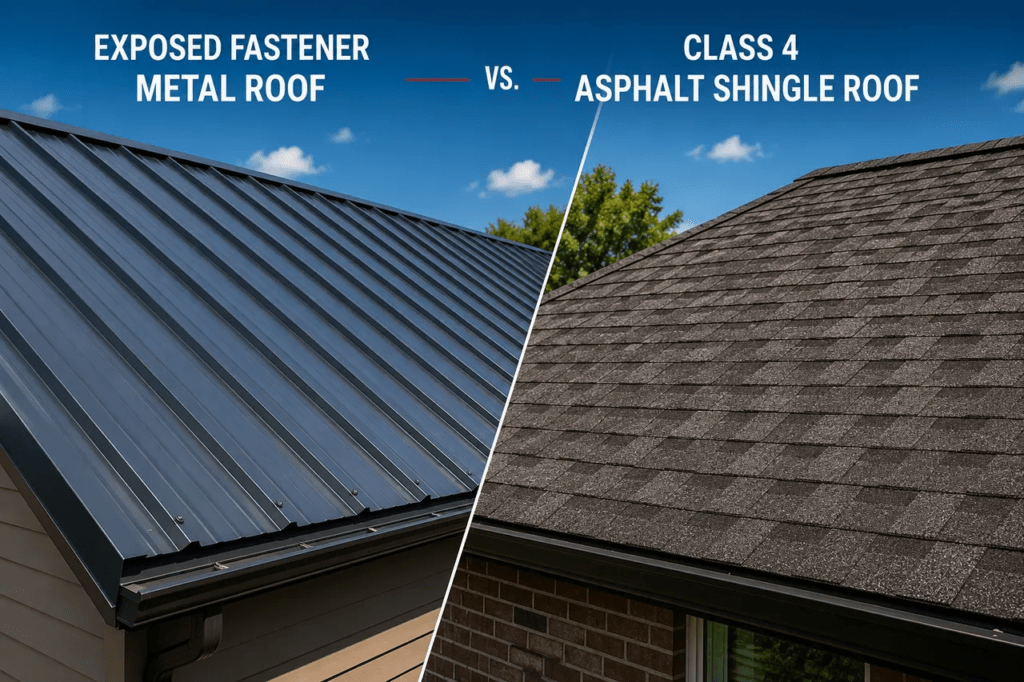
Exposed-Fastener Metal Roofs
Exposed-fastener metal roofs are commonly installed on homes, barns, shops, garages, and agricultural buildings throughout Oklahoma.
They consist of steel panels fastened directly to the roof deck using screws with neoprene rubber washers. Those washers compress against the metal panel to create a watertight seal around every fastener.
These systems are durable, economical, and can last for decades when properly installed and maintained.
Class IV SBS Architectural Shingles
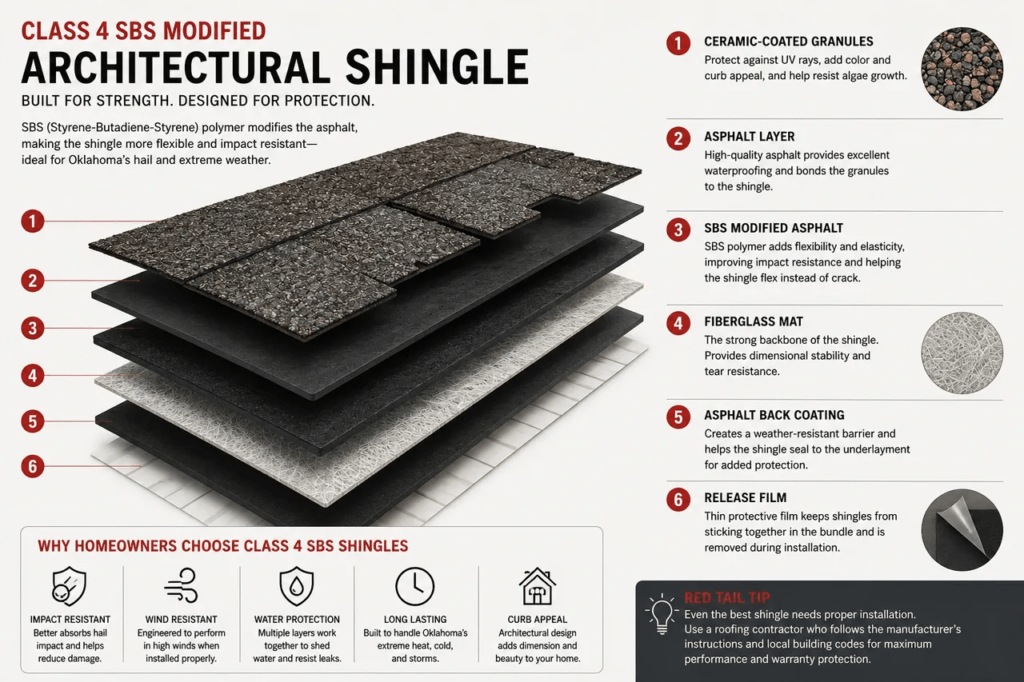
An SBS-modified architectural shingle begins with a fiberglass mat for strength. It is coated with asphalt and ceramic-coated granules, but unlike a traditional asphalt shingle, the asphalt is modified with a synthetic rubber called Styrene-Butadiene-Styrene (SBS).
The SBS polymer increases flexibility, helping the shingle absorb impact energy more effectively than conventional asphalt shingles while maintaining an attractive architectural appearance.
How Each Roof Keeps Water Out
Many homeowners assume every roof works the same way.
It doesn’t.
Metal Roof
An exposed-fastener metal roof depends on:
- Metal panels
- Flashings
- Trim pieces
- Thousands of gasketed screws
Each screw penetrates the panel, and every neoprene washer helps create a watertight seal.
SBS Shingle Roof (Class 4)
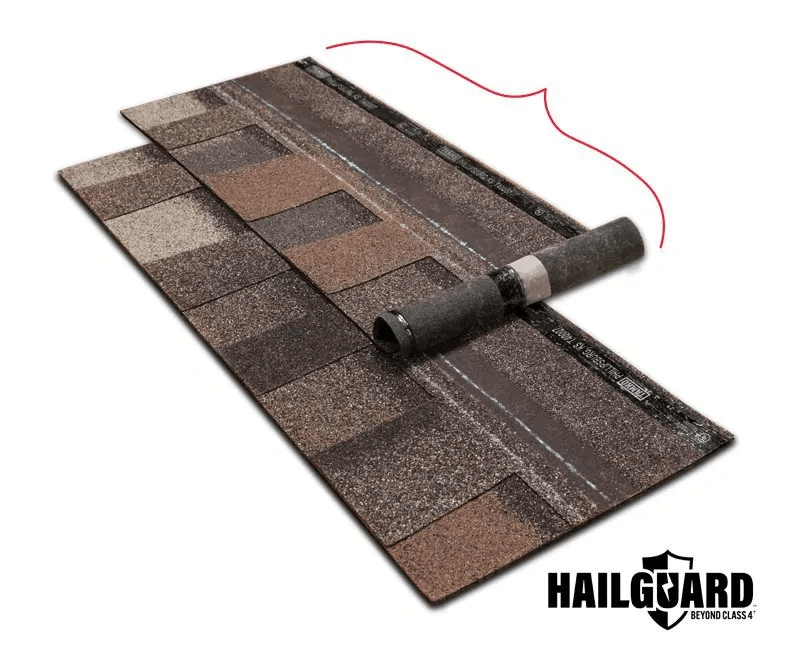
A shingle roof uses a layered water-shedding system.
Water flows over overlapping shingles, underlayment provides secondary protection, and properly installed flashings direct water away from vulnerable areas such as chimneys, valleys, skylights, and walls.
The field of the roof has no exposed fasteners.
A shingle roof uses a layered water-shedding system.
Water flows over overlapping shingles, underlayment provides secondary protection, and properly installed flashings direct water away from vulnerable areas such as chimneys, valleys, skylights, and walls.
The field of the roof has no exposed fasteners.
Oklahoma Hail Performance
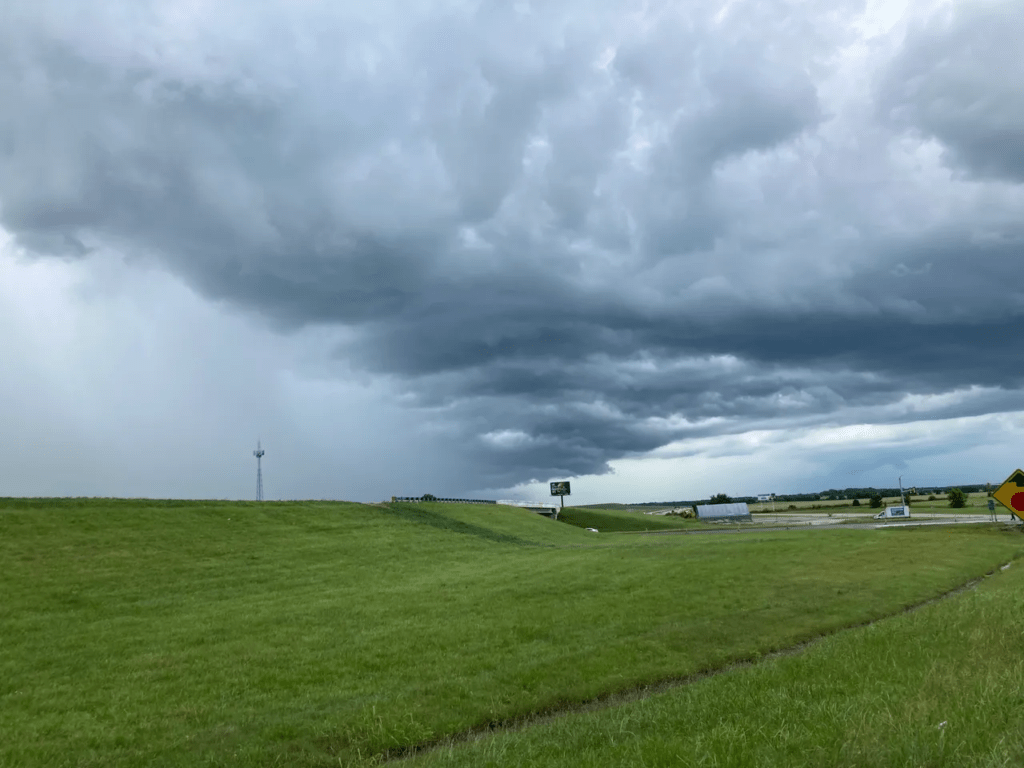
Oklahoma is one of the most hail-prone states in America.
That’s why impact resistance matters.
Exposed-Fastener Metal
Metal panels typically resist punctures well.
However, severe hail may dent the panels. In many cases, the roof continues to perform properly even though cosmetic damage is visible.
Whether dents are acceptable often depends on the homeowner and the insurance policy.
Class IV SBS Shingles
SBS-modified shingles are designed to better absorb impact energy than conventional asphalt shingles.
The added flexibility helps reduce the likelihood of damage from moderate hail events.
However, no roofing material is completely hail-proof. Extremely severe storms can damage any roofing system.
Maintenance Requirements
One of the biggest misconceptions about metal roofing is that it never requires maintenance.
Every roofing system benefits from periodic inspections.
Exposed-Fastener Metal Roofs
Over time, Oklahoma’s heat, cold, wind, and thermal expansion can affect the roofing system.
Items that should be inspected include:
- Fasteners
- Neoprene washers
- Pipe boots
- Flashings
- Ridge cap
- Sealants
Routine maintenance can greatly extend the life of the roof.
SBS Shingle Roofs
Maintenance typically involves inspecting:
- Flashings
- Pipe boots
- Ridge ventilation
- Sealant
Repairability
Every roof eventually needs repairs.
Metal roofs often require replacing an entire panel if significant damage occurs.
Matching older metal colors can sometimes be challenging.
Shingle roofs are generally easier to repair because individual shingles can often be replaced without disturbing large sections of the roof, provided matching materials are available.
Installation Considerations
Proper installation matters far more than the roofing material itself.
A poorly installed premium roof will often fail before a properly installed standard roof.
Metal Roofing
Proper installation requires:
- Correct panel alignment
- Proper fastener spacing
- Correct screw depth
- Proper flashing installation
- Proper trim installation
SBS Shingles
Proper installation requires:
- Correct nail placement
- Proper starter shingles
- Proper ridge ventilation
- Correct flashing details
- Manufacturer-approved installation practices
Cost
In general:
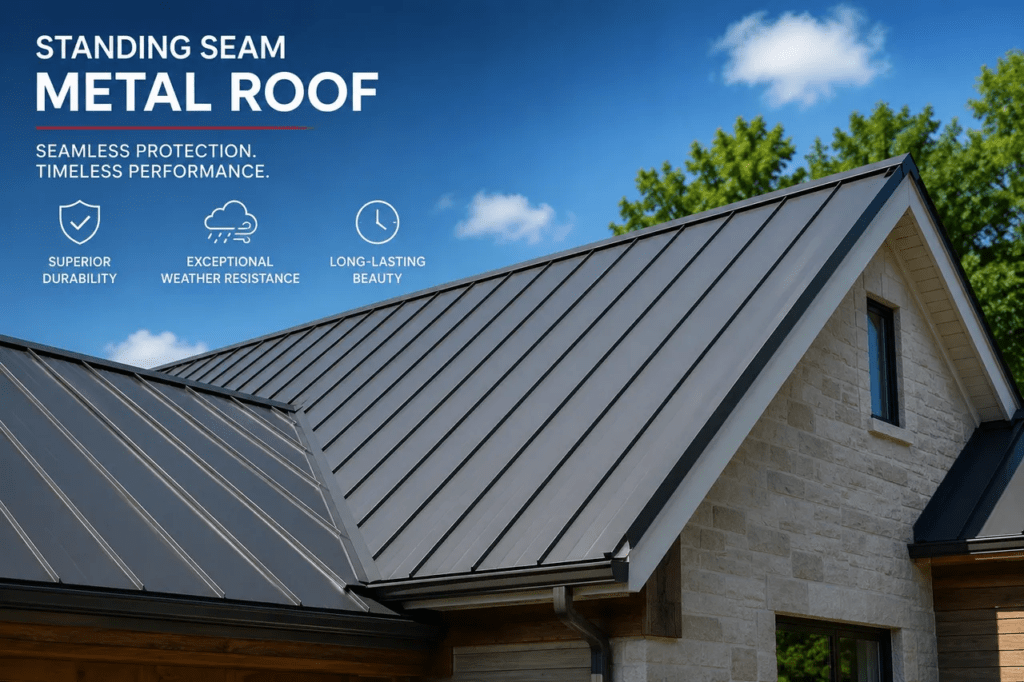
Exposed-fastener metal roofs typically cost more than traditional architectural shingles but less than standing seam metal roofing.
Class IV SBS shingles often cost less than premium standing seam systems while offering excellent impact resistance and attractive curb appeal.
Insurance discounts may also be available for qualifying Class IV roofing systems, depending on your insurance carrier and policy.
Which Roof Is Better?
The honest answer is…
Neither.
The better roof is the one that fits your overall needs.
An exposed-fastener metal roof is an excellent choice for homeowners looking for durability and value, especially on shops, barns, garages, and some residential homes.
A Class IV SBS architecturalshingle is an outstanding choice for homeowners who want excellent hail resistance, strong curb appeal, easier repairs, a walkable roof during Christmas time, and a roofing system designed specifically for residential applications.
Red Tail Roofing’s Perspective
At Red Tail Roofing & Construction, we don’t believe in selling homeowners the most expensive roof.
We believe in recommending the right roof.
Every home is different.
Every budget is different.
Every storm is different.
Our job is to inspect your roof honestly, explain your options clearly, and help you choose the roofing system that best protects your home and your investment.
Because at the end of the day, an informed homeowner makes the best decisions.
Conclusion:
If you’re going to go with a metal roof, get a standing seamless roofing system. If you’re going to go with an Asphalt shingle, go with a Class IV SBS roofing system. Both provide best overall wind, hail, and water resistance in Oklahoma.
If you want to stay on a budget:
Option A: Go with a exposed metal fastener roof. But you need to stay on top of maintenance timelines to ensure you don’t have any leaks.
Option B: Go with a Class III shingle that’s still wind, water, and hail resistant.